The clinical framework for assessing and treating vagal dysfunction
Professional training in vagal function assessment and manual and respiratory techniques applied to clinical practice.
✓ 30-day money-back guarantee
Enroll now
Inside the certification
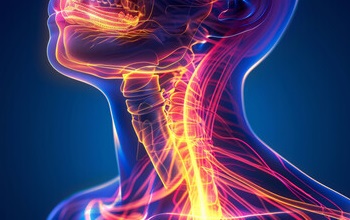
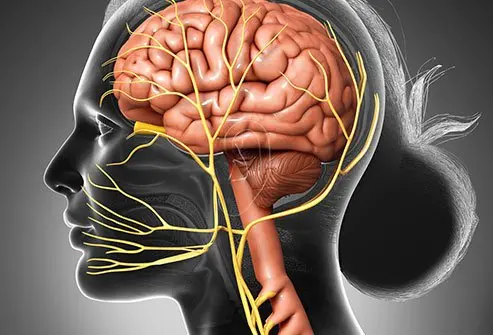
The vagus nerve is the longest cranial nerve in the body. It exits the brainstem, traverses the neck, and branches toward the heart, lungs, stomach, and intestines. Its name comes from the Latin vagus: "wandering." It is the main pathway of the parasympathetic nervous system, the system that tells the body the threat has passed and it can rest, digest, and repair.
In recent years, research on vagal function has produced concrete clinical applications: manual techniques to reduce compression at key anatomical points, respiratory protocols that increase heart rate variability, strategies to assess vagal tone in practice. This certification brings that work together in a structured program, led by one of the UK's most recognized educators in manual and craniosacral therapy, and developed in collaboration with Niel Asher Education, one of the most internationally respected continuing education institutions in the field.
🧬
Applied anatomy, not abstractThe course traces the complete vagus nerve pathway from the brainstem to the abdominal organs, identifying the exact points where mechanical or fascial compression can compromise its function: jugular foramen, upper cervical spine, thoracic outlet, clavicular region.
📐
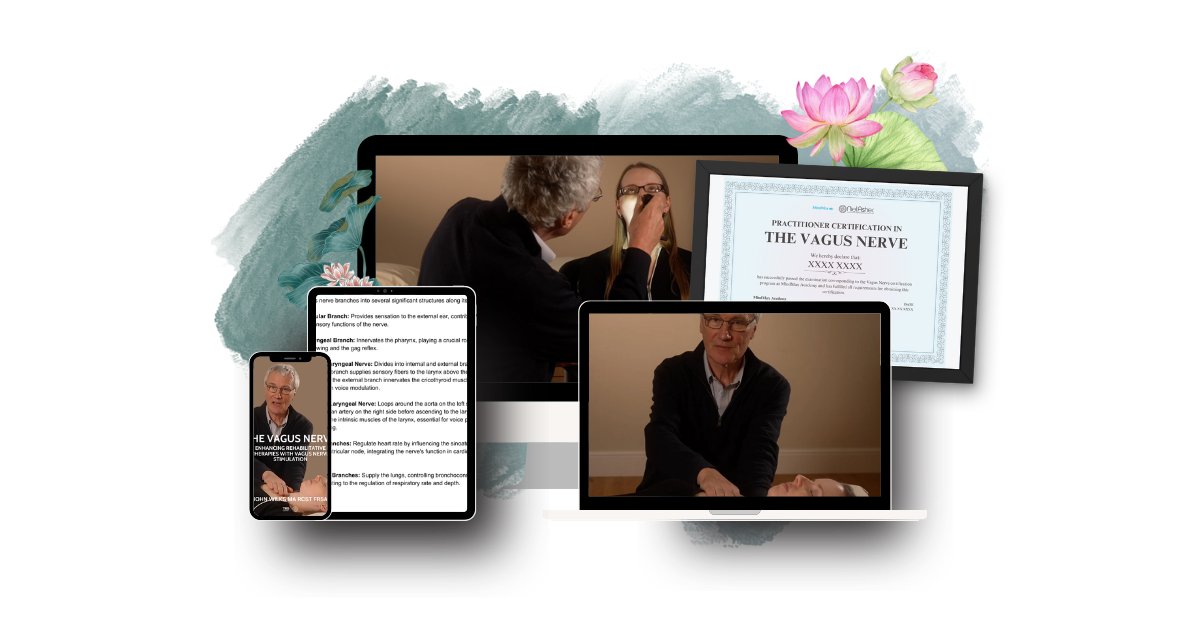
Demonstrated manual techniquesEach technique in the program is demonstrated step by step by John Wilks on video, with a real client. These are not theoretical descriptions. You will see the palpation, pressure, direction of work, and the type of tissue response to expect.
⚖️
Real-time clinical assessmentYou will learn methods of vagal function assessment applicable in practice: observation of uvula deviation, heart rate variability, cervical and suboccipital palpation. Concrete indicators that allow you to measure changes between sessions.
🌱
Research-based frameworkThe program integrates Porges' polyvagal theory, Tracey's research on neurogenic inflammation, and clinically validated respiratory protocols. The scientific foundation is not decorative: each technique taught is justified by the physiology that supports it.
Who this certification is for
Massage therapists, structural therapists, and bodywork professionals seeking to integrate specific autonomic nervous system techniques into their sessions, with clear anatomical foundations and step-by-step demonstrations.
Rehabilitation professionals who want to expand their understanding of autonomic regulation as a factor in chronic pain, digestive dysfunction, dizziness, and other conditions where vagal function is implicated.
Craniosacral therapists, somatic experiencing practitioners, therapeutic yoga professionals, and related disciplines who already work with nervous system regulation and seek to deepen their anatomical and physiological foundation.
Professionals who work with the cervical and suboccipital spine and want to understand how their interventions can affect vagal function and the patient's autonomic balance.
Integrative doctors, naturopaths, nurses specializing in wellness, and other health professionals seeking practical, evidence-based training on the role of the vagus nerve in overall health.
Those studying manual therapy, physiotherapy, osteopathy, or other body-based disciplines who want applied specialization in the physiology and clinical management of the vagal system.
Professional competencies
Each module develops specific competencies that integrate into a complete professional practice.
Program instructor
MA (Oxford) · Fellow of the Royal Society of Arts · 30+ years clinical practice
John Wilks has practiced and taught the Bowen technique and craniosacral therapy full-time since 1995. He studied music at the University of Oxford before directing his career toward body psychotherapy, meditation, and manual work. He is the author of six books on complementary therapies, including Understanding Craniosacral Therapy, Using the Bowen Technique to Address Complex and Common Conditions, and An Integrative Approach to Treating Babies and Children.
He has served as president of the Bowen Association of the UK, the Craniosacral Therapy Association of the UK, and the Cranial Forum, the body responsible for overseeing the implementation of national professional practice standards in the UK. He was an examiner for the University of Oxford examination board and an education and training advisor for the Bowen Forum under the Prince of Wales's Foundation for Integrated Health.
In 2005 he founded the first craniosacral therapy training program for midwives accredited by the Royal College of Midwives, delivered at Poole Hospital NHS Trust. That same year he was made a Fellow of the Royal Society of Arts (FRSA) for his contribution to professional education. He has taught in over twenty countries, including the UK, United States, Germany, Australia, Brazil, and several countries in Central and South America.
In this program, his approach combines anatomical rigor with the palpatory sensitivity that characterizes the British craniosacral tradition: each technique is taught in its physiological context, with video demonstration on a real client and detailed explanation of the clinical reasoning behind it.
In collaboration with
Accredited British continuing education institution specializing in evidence-based education for manual therapists, physiotherapists, and rehabilitation professionals. Their programs are used in over 60 countries and are recognized by professional accreditation bodies, manual therapy federations, and athletic therapy certification councils.
Developed in partnership with Niel Asher Education, whose specialized courses are used by practitioners in over 60 countries. Same production quality, same clinical rigor.
CPD learning objectives
Upon completing this program, the participant will be able to:
Describe the anatomy and physiology of the vagus nerve, its pathway from the brainstem to the visceral organs, and its role in parasympathetic regulation of the body.
Apply Stephen Porges' polyvagal framework to read autonomic nervous system states (mobilization, collapse, social connection) in real clients during sessions.
Identify the anatomical points where vagal function is vulnerable to mechanical or fascial compression (jugular foramen, upper cervical spine, thoracic outlet, clavicular region) and apply safe manual techniques for each.
Integrate clinically validated respiratory protocols (diaphragmatic breathing, prolonged exhalation, cardiac resonance) to support vagal tone and heart rate variability.
Recognize clinical presentations associated with vagal dysfunction (persistent anxiety, digestive problems, fatigue, chronic pain) and apply clear professional criteria for when manual work is indicated and when referral is required.
This program meets the Continuing Professional Development (CPD) standards established by the CPD Standards Office of the United Kingdom and is recognized by employers, educational institutions, and regulatory bodies in over 40 countries.
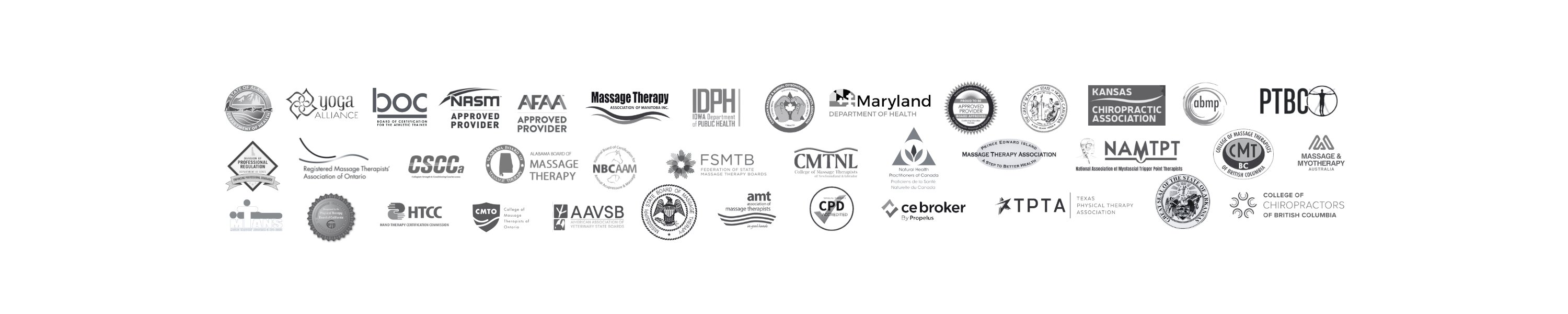
Recognized by 65+ boards
The 5 CPD hours earned through this certification are recognized by the following boards and professional associations across the United States, Canada, Australia, and the UK.
Your certification
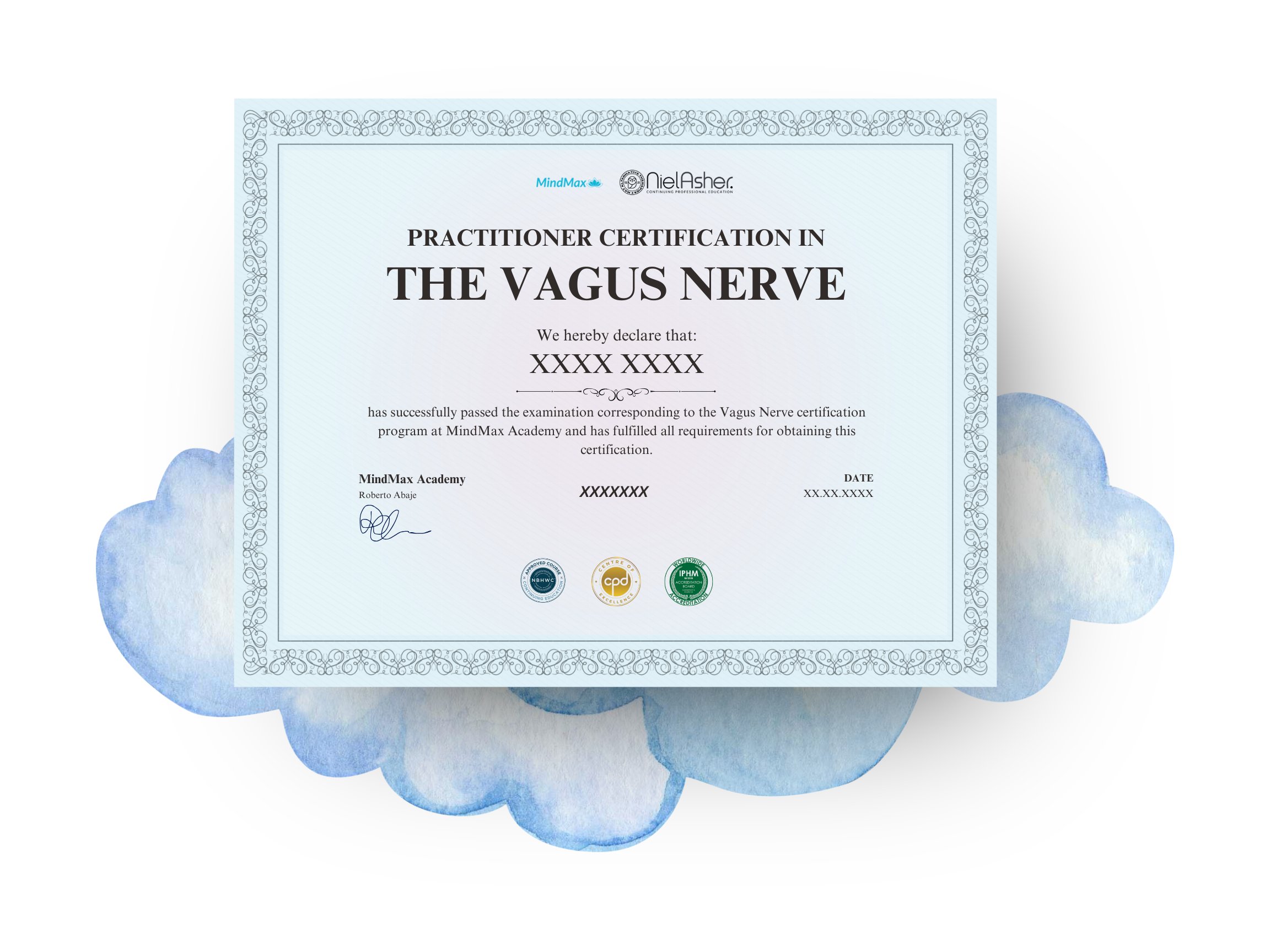
Upon completing the final assessment, you will receive an official certificate backed by CPD and IPHM, with Continuing Professional Development (CPD) hours valid in over 40 countries. The same standard used by institutions such as PESI, universities, and professional continuing education organizations.
Course content
8 modules · 39 lessons · 5 accredited CPD hours
Program Video — Part 1: Vagus Nerve Foundations
What is the Vagus Nerve?
Historical Background and Origins
Vagus Nerve Anatomy
Key Functions of the Vagus Nerve
Overview of Polyvagal Theory
El Sistema de Compromiso Social
The Role of the Ventral Vagus in Calming the Nervous System
Understanding the Autonomic Nervous System
Impacto del Trauma y la Tristeza
Nerve Entrapment and Its Effects
Gut Microbiome and Vagus Nerve Interaction
Influence of Viruses, Bacteria, and Chronic Inflammation
Factores Ambientales y Sociales
Conscious Breathing Practices
Ejercicios de Movimiento y Tacto
Play and Socialization Activities
Estrategias de Autoayuda para Clientes
Music, Rhythm, and Other Stimuli
Program Video — Part 2: Therapeutic Applications
Techniques for the Temporal Area
Trabajo con el Atlas/Axis
Techniques for the Thoracic Outlet
Diaphragm Activation
The Enteric Nervous System and the Vagus Nerve
Problemas Estructurales y Contraindicaciones
Treating a Deviated Uvula
Techniques for the Neck and Colon
Client Safety in Vagus Nerve Treatments
Vagus Nerve Stimulation with Tools
Dietary Recommendations
Stress Management Techniques
Consideraciones Ambientales
Factores Sociales y de Estilo de Vida
Generosity and Compassion in Treatment
Case Study 1: Addressing Trauma through the Vagus Nerve
Case Study 2: Improving Gut Health
Case Study 3: Breathing and Movement to Calm the Nervous System
Case Study 4: Social Engagement for Nervous System Regulation
Certification
Final Certification AssessmentFinal exam based on course content, individually evaluated by the certification team. Those who pass receive the official Vagus Nerve Therapy certificate with accredited CPD hours, internationally recognized.
The exam verifies understanding of the anatomy, physiology, and practical application of the techniques taught, with clear criteria for each level of professional competence.
Accreditations
Your certificate is backed by two international bodies recognized in professional development and holistic medicine.
CPD Standards Office
Continuing Professional Development
International Continuing Professional Development (CPD) accreditation body. Their CPD hours are recognized by employers, educational institutions, and regulatory bodies in over 40 countries. The same standard used by PESI, universities, and professional training organizations.
IPHM
International Practitioners of Holistic Medicine
UK-based accreditation body for holistic and integrative medicine professionals. IPHM accreditation allows you to appear on the professional register and is valid for presenting to clients, employers, and integrative health institutions internationally.
Our graduates apply this training in physiotherapy, manual therapy, osteopathy, chiropractic, craniosacral, massage therapy, integrative health, and rehabilitation practices in 14 countries.
Testimonials
"I've been doing manual therapy for fifteen years and this course changed how I assess patients. Observing uvula deviation is something I've applied from the very first consultation the following week."
"The anatomy module is exceptional. The compression points are described with such precision that I recognized cases from my own practice immediately. And the techniques work."
"John Wilks is a master teacher. His way of explaining physiology is clear, without unnecessary jargon, and the video demonstrations are the best I've seen in online manual therapy training."
"Very good. The polyvagal theory module was a bit challenging at first because I came with little background in autonomic regulation, but reviewing it, everything falls into place."
"I'm a physiotherapist and was working with chronic pain without understanding why some patients weren't responding. This course gave me the missing framework. I now use heart rate variability as an objective measure between sessions."
"I applied the manual techniques on the thoracic outlet with a patient with recurrent vertigo. In three sessions we noticed real changes. The difference between knowing theory and knowing how to apply it is what this course delivers."
"I've taken vagus nerve courses before and they were generic, full of breathwork and little else. This one is technical, anatomical, evidence-based. It has 39 lessons that are worth the cost of the entire course."
"I liked that they don't romanticize the topic. The vagus nerve here is not a wellness concept, it's a cranial nerve with specific function and clinical assessment. That gave me confidence in what I'm learning."
"Excellent content for manual therapists. The only thing is I would have liked more clinical cases with long-term follow-up. But the foundation the course provides is very solid."
"I've been doing craniosacral for eight years and still learned a lot. The anatomical precision and integration with polyvagal theory clicked with everything I already knew. Recommended without reservations."
"John Wilks has a way of teaching that feels like working alongside someone with decades of experience. The demonstrations are slow, clear, repeated as many times as needed."
"I'm a chiropractor and this course opened another layer of understanding of cervical work. The autonomic implications of what we do every day are explained here in detail. Highly recommended."
Frequently asked questions
✓ 30-day money-back guarantee
Immediate access. Lifetime updates. 30-day guarantee.
Begin my certification✓ 30-day money-back guarantee, no questions asked.